All store directions
Compare every Shopify store model and open the playbook that matches your operation.

Plan apparel margins, size variants, product photography, returns and inventory before launching a Shopify clothing brand.
Catalog, payments, Markets, delivery and analytics in one operational sequence.
Use product types, collections, metafields and filters as one taxonomy. Every layer should help the customer choose or help the team control inventory.
Start with a fast theme, establish typography and sections, then test the product page and checkout on a phone.
Set the base currency, activate only intended markets and connect checkout methods that are eligible for the country and category.
Configure zones, rates, tax categories, returns, privacy and terms before sending paid traffic.
Describe the workflow first, then select the current Shopify feature or app that supports it.
A compact launch model before a large inventory commitment or payroll. Amounts stay visible; bars show only the relative role of each category.
This is a planning model, not a quote. Verify the current Shopify plan, apps, payment costs and local requirements before launch.
Model gross margin by style after sampling, duties, packaging and return handling. Size-related returns can turn an attractive product margin into a weak order margin.
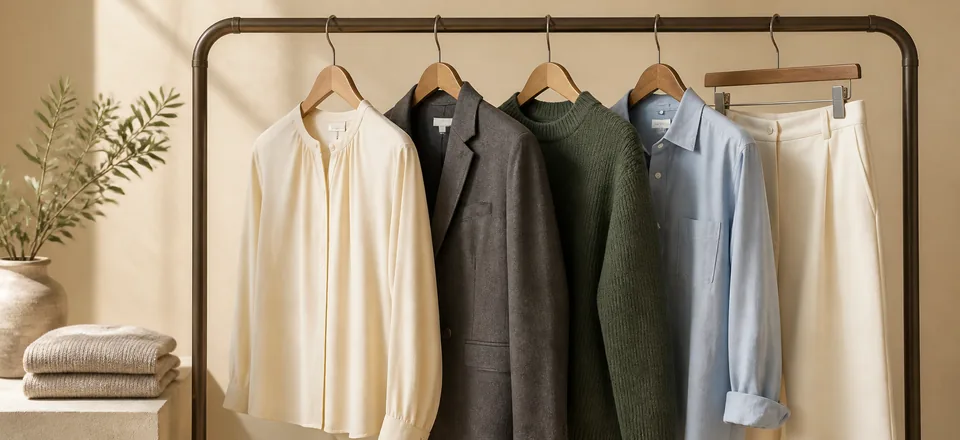
Launch a capsule: a small number of silhouettes, deliberate colors and a controlled size range. Count every style × color × size combination as an inventory decision.
| Field | Purpose | Check |
|---|---|---|
| Size | Choose a fit | Garment measurements and consistent units |
| Color | Identify the variant | Matching photograph and shade name |
| SKU | Link orders to stock | One code per real variant |
| Inventory | Avoid unavailable sales | Stock synchronized across channels |
Build the image set around the buying risk for this category.
Store variants in clearly labeled locations Use packaging that avoids creasing and moisture Inspect returned garments before restocking
Print on demand reduces inventory commitments but changes unit cost, quality control and lead times. Order samples of each fabric and print method, then check fit and wash durability before approving the supplier.
Compare two complete orders, including printing, packaging, delivery, a possible replacement and support time. Use photographs of actual samples alongside mockups so the customer can judge the result.
Complete the plan and budget first, then test the setup with a representative order.
Yes. The recommended launch catalog is: Launch a capsule: a small number of silhouettes, deliberate colors and a controlled size range. Count every style × color × size combination as an inventory decision. Start narrow enough to test demand, operations and returns before expanding.
Include samples, grading, labels, photography, initial stock by size, packaging and a return reserve. A narrow capsule protects working capital. Keep inventory, content, packaging, software, payment costs, returns and acquisition as separate lines.
Prioritize Variants, size filters and collections, Size guide and fit content, Inventory by location. Add optional apps only when a tested workflow requires them.
Compare every Shopify store model and open the playbook that matches your operation.
Understand the account, catalog, checkout and launch workflow before committing budget.
Replace broad ranges with your market, catalog, content and acquisition assumptions.
This guide is informational. Shopify features, payments, pricing, tax, legal and consumer requirements depend on the country, category and review date.